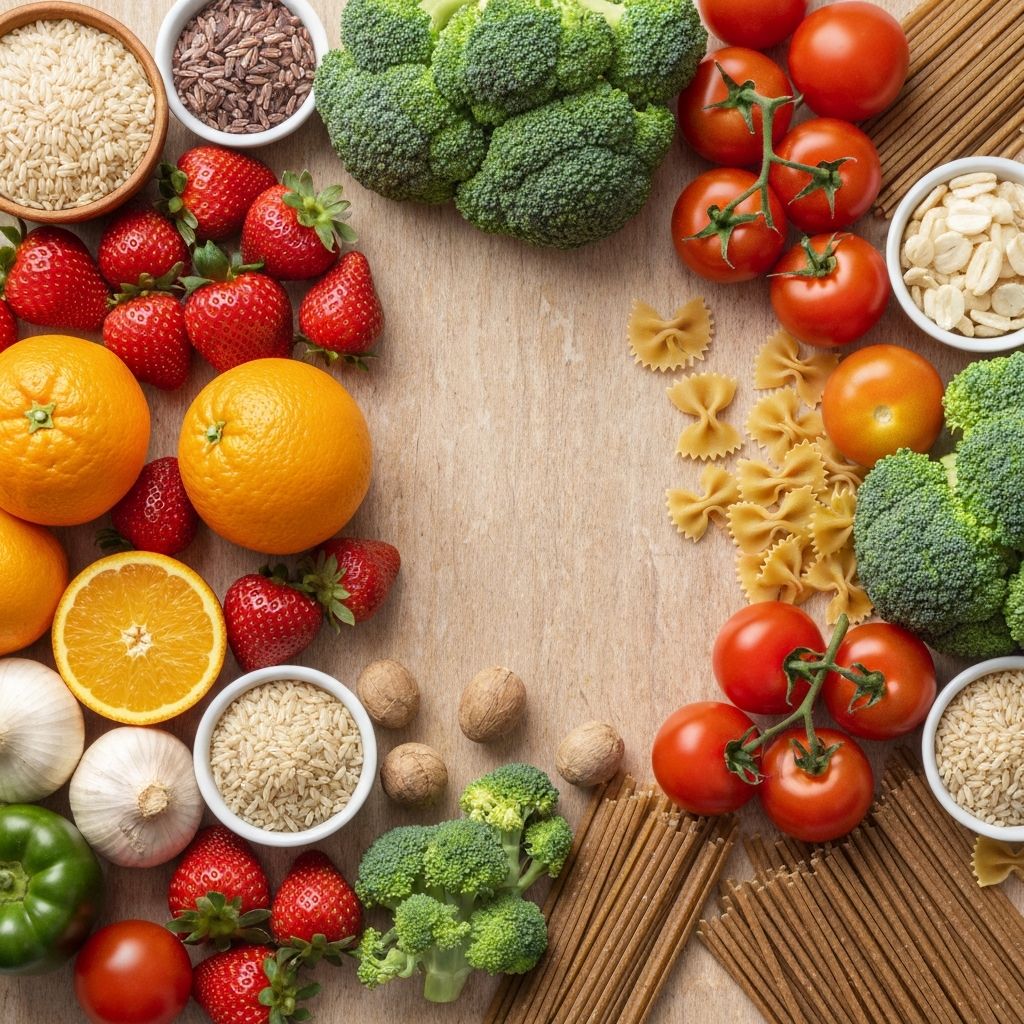
Understanding Food and Energy Relationships
The connection between food choices and energy availability is a complex physiological process. Different foods contain varying compositions of macronutrients (carbohydrates, proteins, fats) and micronutrients that influence how the body produces and utilizes energy.
Macronutrient Roles in Energy Production
Carbohydrates serve as the primary fuel source for immediate energy availability. They are broken down into glucose, which enters the bloodstream and is used by cells for energy production. The speed of this process varies depending on the type of carbohydrate consumed.
Proteins contribute to energy production while also supporting tissue repair and maintenance. Though not the primary energy source, proteins can be converted to energy when carbohydrate stores are depleted.
Fats provide concentrated energy storage and are metabolized more slowly than carbohydrates, potentially contributing to sustained energy patterns over longer periods.
Food Processing and Energy Release
The speed at which food is processed affects energy availability. Simple carbohydrates are processed quickly, leading to rapid blood glucose elevation. Complex carbohydrates and whole foods with higher fiber content are processed more gradually, potentially supporting more stable energy patterns.
Information Note
This content is educational and informational only. Individual responses to different foods vary significantly based on numerous factors including metabolism, activity level, health status, and individual physiology. This information does not constitute dietary advice or recommendations.