Understanding the relationship between nutrition and daily energy levels
The relationship between what we eat and how we feel throughout the day is a fundamental aspect of human physiology. Different food choices have varying effects on energy, concentration, and overall daily performance. This educational resource explores these connections through an informational lens, presenting how various meal compositions influence energy patterns without providing personal recommendations.

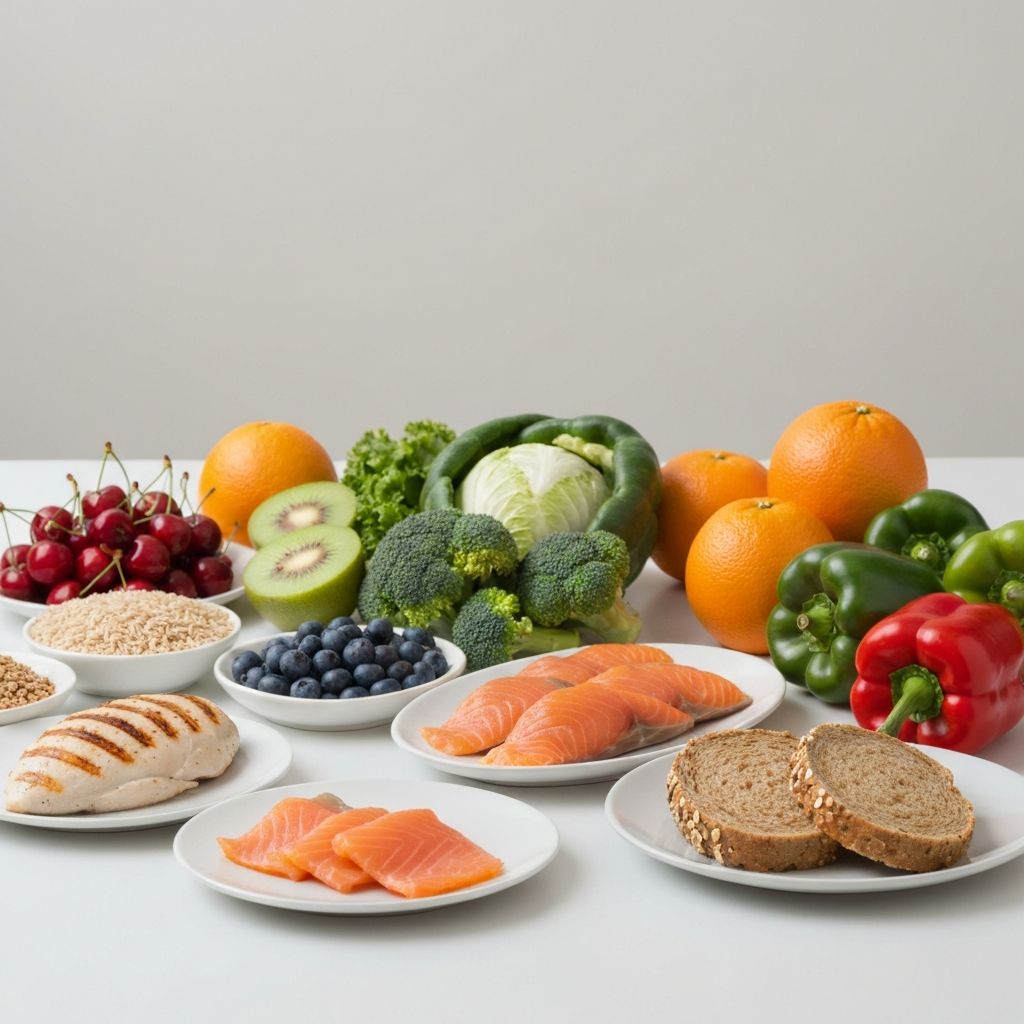
Various meal compositions produce different physiological responses. Meals containing complex carbohydrates, proteins, and healthy fats demonstrate distinct energy release patterns. Simple carbohydrates typically provide rapid energy spikes followed by decreases, while balanced meals with multiple nutrient types show more sustained energy levels. This phenomenon is well-documented in nutritional science and reflects how different food types are processed by the body.
Energy levels naturally fluctuate throughout the day based on circadian rhythms, activity levels, and food intake. Morning meals establish energy baseline for the day, midday nutrition influences afternoon performance, and evening meals impact sleep quality and recovery. Understanding these patterns provides context for how meal timing and composition relate to daily functioning. People exhibit different patterns based on individual physiology, lifestyle, and activity levels.
Various cultural beliefs and popular claims exist regarding food and energy. This section presents informational perspectives on commonly discussed food-energy relationships without endorsing or promoting any particular view. Understanding the context of these discussions helps establish baseline knowledge for further exploration of nutritional science.
EnergyBites provides educational information about the relationship between food choices and energy levels. This is an informational resource only and does not provide medical services or personal recommendations.
No. All content presented here is educational and informational only. Individual circumstances vary, and this resource does not replace professional consultation.
No. Energy responses to food vary significantly among individuals based on physiology, activity level, health status, and many other factors. This resource presents general informational content only.
Educational content only. No medical services. No promises of outcomes.
Explore Further